
2025-2026 Annual report
Earlier, more equitable diagnosis
When cancer is found early, people have a better chance of successful treatment, and the cost of care can be dramatically lower. This year, CPAC continued to expand organized screening programs, strengthen evidence and decision-making tools, and improve access to earlier and more equitable diagnosis.
The work spans lung, breast, cervical and colorectal cancer and is increasingly focused on ensuring people can access high-quality care quickly, equitably and with support to navigate the system and connect with prevention and follow-up care.
On this page:
- A more connected approach to lung cancer
- Integrating smoking cessation into cancer care
- A more connected screening system
- Strengthening breast and colorectal screening
- Reducing barriers to diagnosis
A more connected approach to lung cancer
Lung cancer remains the leading cause of cancer death in Canada. Nationally, 70 per cent of cases are still diagnosed at an advanced stage, when treatment is harder, outcomes are worse and costs to the system are highest. Establishing and expanding access to organized screening – and connecting people to smoking cessation supports earlier – is therefore a critical priority.
Across Canada, provinces are moving from lung cancer screening pilot projects to organized programs:
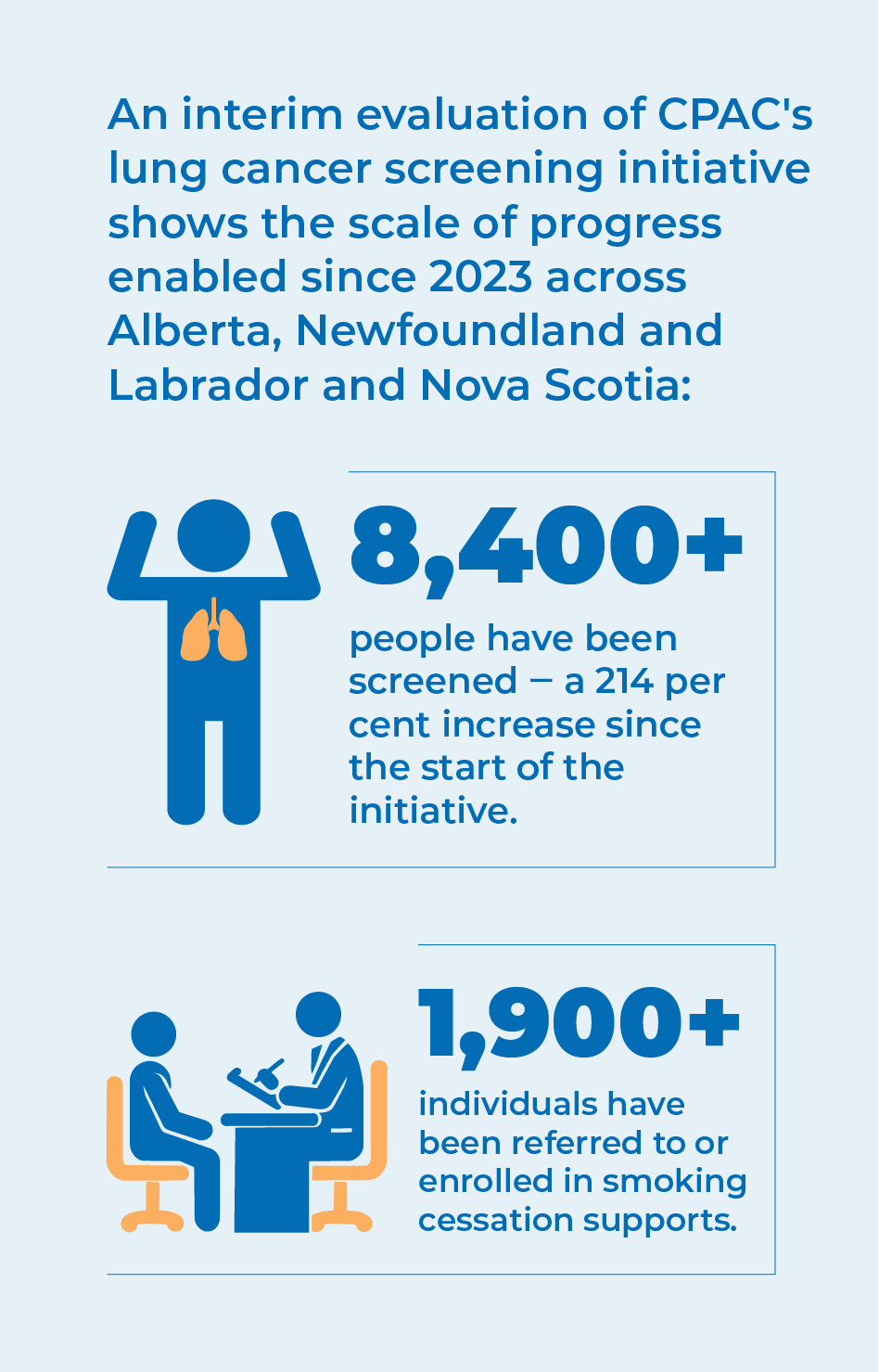
- Alberta is continuing to screen eligible individuals as part of their pilot program and is exploring the evidence from its lung screening pilot run from 2022-2026.
- Nova Scotia has launched lung cancer screening in its central and eastern zones, with implementation in northern and western zones in the coming months.
- Quebec has used lessons learned from the demonstration project to guide the phased rollout of lung cancer screening, which is currently being expanded to other regions, including rural and remote areas.
- Newfoundland and Labrador has expanded the reach of lung screening across the province, with a provincial commitment in place to sustain the program.
- Saskatchewan launched LungCheck (Lung Screening and Prevention Program) using a phased implementation approach in July 2025. By March 2026, the program was operating in two communities, including part of Northern Saskatchewan, to help improve access for underserved communities and individuals at high risk. Further expansion is planned in 2026.
- Manitoba has received additional funding to support infrastructure development for a future lung screening program.
Equity is central to this work. Partners have engaged 54 First Nations, Inuit and Métis organizations and 18 equity-focused partners, shaping program design, outreach and eligibility criteria so that screening can better reach people and communities at highest risk of lung cancer.
Integrating smoking cessation into cancer care
Quitting smoking improves people’s chance of living beyond cancer by 40 per cent, makes their treatment more effective, less toxic, and reduces costs to the health system. Partners have continued to support people to quit smoking by integrating smoking cessation into cancer care across the country.
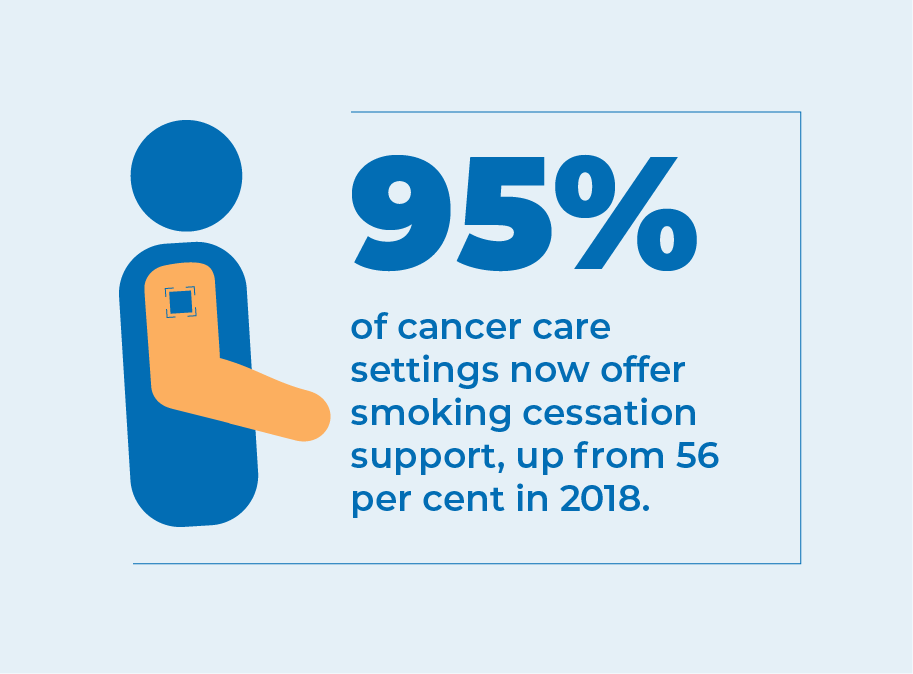
Smoking cessation is now integrated more consistently into care pathways, including lung screening programs, where people can be connected to support early. Nearly all cancer centres in Canada now offer cessation interventions, which is a significant shift from earlier years, when access was more limited. Knowledge generated through the Pan-Canadian Tobacco Cessation and Cancer Care Network continues to inform practice, including in a paper published in the Journal of Thoracic Oncology in June 2026.
Program quality and cultural safety are shaping how that work evolves. A pan-Canadian working group updated the smoking cessation in cancer care implementation checklist, with particular attention to improving supports for First Nations, Inuit and Métis populations. Updated tools will be available in 2026.
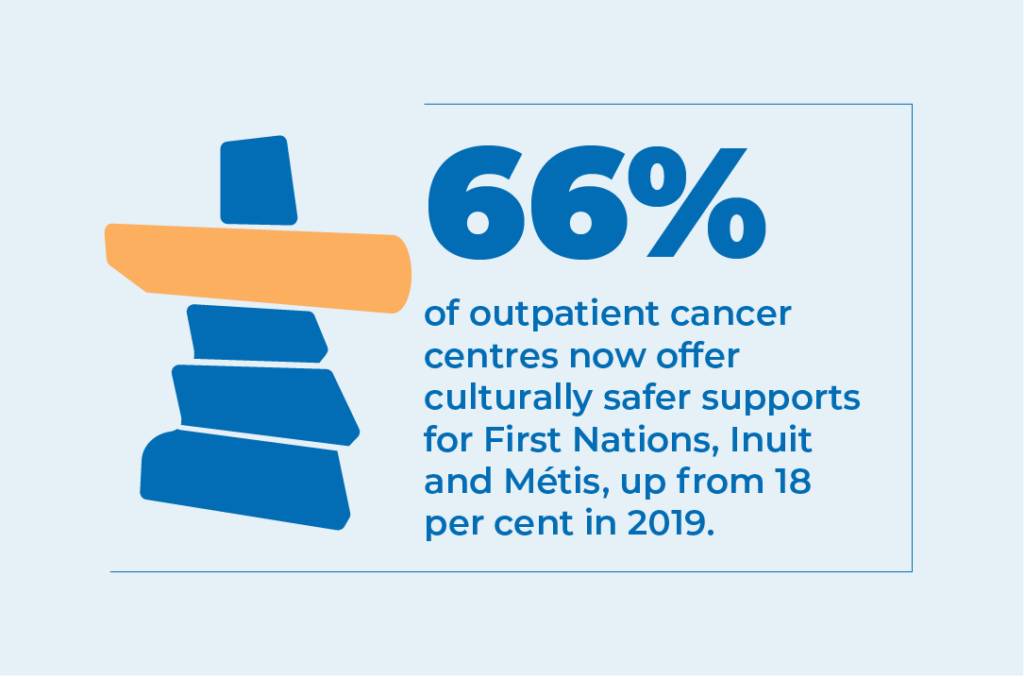
As well, a new project led by Nunatsiavut Government aims to reduce commercial tobacco use and vaping in five Nunatsiavut communities. By developing community-driven strategies, the project will centre Inuit-specific perspectives on smoking and vaping to create a regional approach to prevention, reduction and cessation.
This year, CPAC brought smoking cessation and lung screening partners together to share knowledge about strengthening culturally safer approaches to care. That coordination is helping lung screening programs build on earlier smoking cessation work, with partners integrating cessation supports into lung screening models and adapting resources for First Nations, Inuit and Métis.
By increasing access to screening, we are helping ensure that more people at high-risk for lung cancer can be diagnosed earlier and connected to care sooner, which can make a meaningful difference in their treatment journey. CPAC’s support and leadership on this has been vital across Canada.
– Dr. Christian Finley, Thoracic Surgeon, St. Joseph’s Healthcare Hamilton; Clinical Lead, Ontario Lung Screening Program; CPAC Clinical Advisor
In British Columbia, BC Cancer has built on earlier CPAC-supported smoking cessation work to make practical changes at the point of care. At BC Cancer’s Prince George regional cancer centre, patients can now receive a one-week supply of two kinds of nicotine replacement therapy (NRT) at their first clinic appointment, along with brief counselling from a nurse. For patients attending virtually, the therapy is mailed to them. Launched as a pilot in 2023 to reduce barriers for people with cancer in northern, rural and remote communities, the program is now permanent at the Prince George centre and helps bridge patients to the free 12-week supply of NRT available through the provincial smoking cessation program.
A more connected screening system
CPAC plays a significant role in connecting partners and evidence across the country. This year, all four pan-Canadian screening networks – breast, lung, cervical and colorectal – were convened to support knowledge exchange and alignment.
Environmental scans across screening programs are helping jurisdictions strengthen recruitment, follow-up and quality improvement, particularly for underserved populations. These efforts ensure that decision-makers have access to timely, credible evidence.
Strengthening breast and colorectal screening
CPAC continues to support improvements in breast and colorectal cancer screening programs, particularly as jurisdictions navigate evolving evidence and changing guidance.
In colorectal cancer screening, a national working group’s Watching Brief on the Age to Start Colorectal Cancer Screening in Canada was made publicly available; the brief synthesized evidence related to lowering the recommended start age from 50 to 45.
The resource provides insight that supports jurisdictional decision-making, including consideration of the rising incidence of colorectal cancer among younger populations, current screening participation rates and impacts on healthcare resources and capacity.
In May 2025, Nunavut launched its first colorectal cancer screening program in Rankin Inlet. Within a year, it had expanded to 22 of 25 communities.
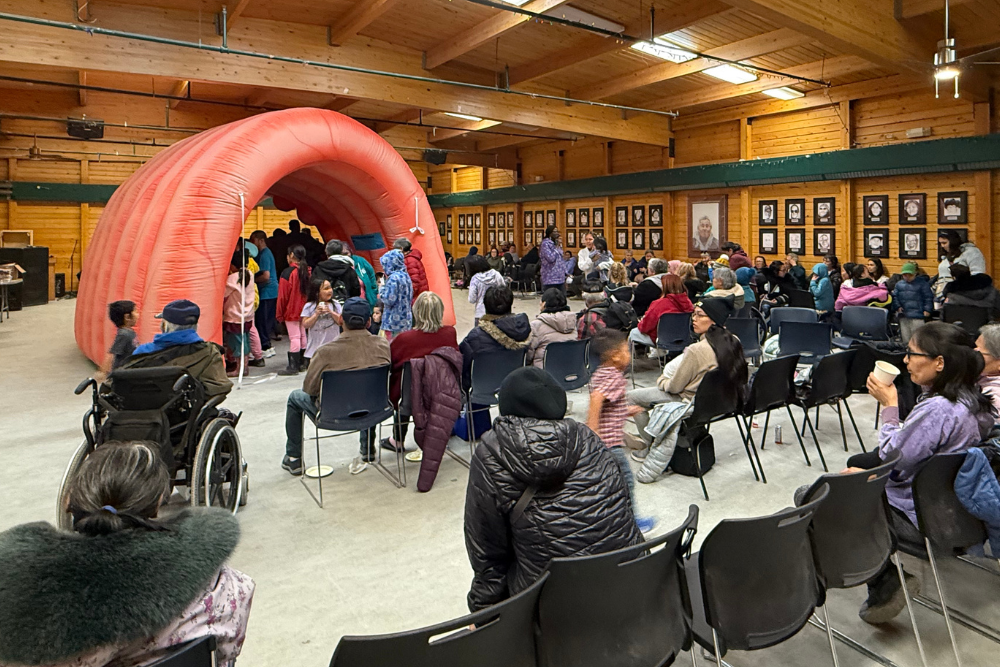
Community members gather at the launch event of the colorectal cancer screening program in Kitikmeot region, Cambridge Bay, Nunavut. (Sept. 9, 2025)
With support from the Canadian Partnership Against Cancer, we focused on community-based public health approaches, bringing prevention and health promotion closer to communities through local engagement, partnerships and culturally relevant health education.
– Dr. Ekua Agyemang, Chief Public Health Officer for Nunavut
CPAC also worked with partners to release updated colorectal cancer screening quality indicators in December 2025, providing data to monitor program performance and optimize the quality and delivery of colorectal cancer screening programs.
In breast cancer screening, CPAC continues to convene partners across jurisdictions, supporting discussions on program priorities and shared decision-making in contexts where jurisdictions have lowered or are in the process of lowering the age of eligibility for breast screening from 50 to 40–45 years.
Reducing barriers to diagnosis
Improving access to timely diagnosis remains a key priority, particularly for populations facing systemic barriers.
This year, CPAC supported six partner projects across five jurisdictions to implement early diagnosis models of care for First Nations, Inuit and Métis populations and other underserved groups. Notably:
- In Alberta, a project co-designed with community organizations developed the province’s first cancer diagnostic pathways for people experiencing homelessness, integrating housing, transportation and mental health support into care.
- In Saskatchewan, CPAC’s support contributed to the creation of the province’s first First Nations and Métis Patient Navigator role, improving coordination and culturally appropriate care in northern communities.
- In Prince Edward Island, planning is underway to improve timely and coordinated lung cancer diagnosis through the design of a province-wide diagnostic pathway. This foundational work will improve access and patient navigation during the early phase of care, particularly for individuals without a primary care provider.
Together, these initiatives demonstrate that improving diagnosis is not only about expanding screening programs, but also about ensuring that people can access and move through the system effectively.