
Advancing First Nations, Inuit and Métis cancer data sovereignty
What it means for communities to govern, steward and use cancer data on their own terms
June 19, 2026
From individual patient records to system-wide statistics, data tells the stories of peoples’ journeys across every stage of cancer care: prevention, screening, diagnosis, treatment, survivorship and palliative care. For communities that have long faced inequitable access to health care, gaining control over this data is a vital step toward changing that story.
Honouring First Nation, Inuit and Métis data sovereignty and data governance is essential to ensuring that health data is collected, protected and used in ways that respect community rights and self-determination. This principle aligns directly with the Truth and Reconciliation Commission’s Call to Action 19, which calls for measurable goals to close the health outcome gaps between Indigenous and non-Indigenous communities. It is also enshrined in The United Nations Declaration on the Rights of Indigenous Peoples Act (PDF) which asserts that First Nations, Inuit and Métis are rights-holders of their data.
True data governance ensures that progress toward these goals can be accurately measured and reported. As part of its commitment to reconciliation, the Canadian Partnership Against Cancer (CPAC) is dedicated to upholding these principles of data sovereignty.
Behind every health and cancer statistic is a decision about what gets counted, who interprets it and how it is shared. For First Nations, Inuit and Métis Peoples, those decisions have often been made without community consent or control. Data sovereignty and data governance are about changing that – ensuring cancer data is collected and managed in ways that support self-determination, accountability and better outcomes.
– Talia Pfefferle, Director of First Nations, Inuit and Métis Cancer Strategy, CPAC
Indigenous data sovereignty ensures that First Nations, Inuit and Métis Peoples have the ultimate authority over how data regarding citizens, communities, lands and cultures is collected, interpreted and shared across the health system.
Whether it involves tracking access to care close to home or measuring the availability of services in services in a preferred language, these interconnected data points can help show where gaps in cancer care exist – and how effectively they are being closed.
To build a framework for this work, CPAC worked closely with First Nations, Inuit and Métis partners, along with data experts, Elders and Knowledge Keepers over a three-year period. Together, they focused on patient and family experiences to develop indicator concepts for measuring progress in Peoples-specific, self-determined priorities.
Mariette Sutherland, a strategist, planner and evaluator from Whitefish River First Nation, was a key part of the CPAC working group that co-created this approach.
Data sovereignty recognizes that this is information that belongs to the community, that can support them in their self-determined health aspirations. Data governance – the processes, the frameworks and policies – is the way of enacting data sovereignty.
– Mariette Sutherland, strategist, planner and evaluator, Whitefish River First Nation
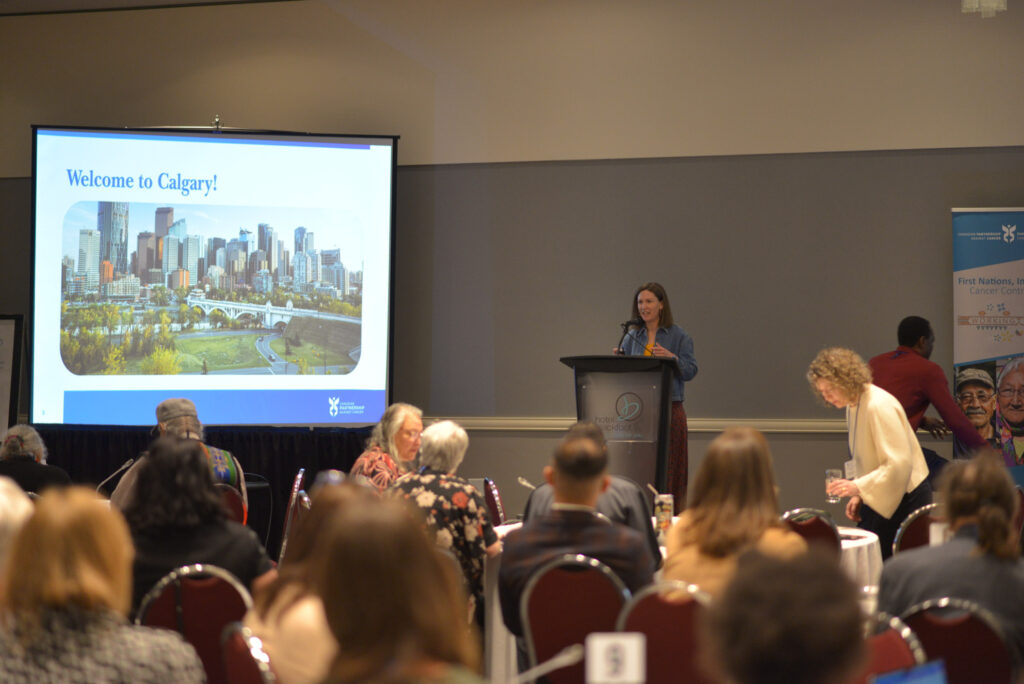
Sutherland also facilitated a community of practice convened by CPAC in Calgary in March 2025. The event brought together First Nations, Inuit and Métis partners, researchers, advocates and community leaders from across Canada to find ways to strengthen data collection and linkage while ensuring decision-making power rests firmly with communities.
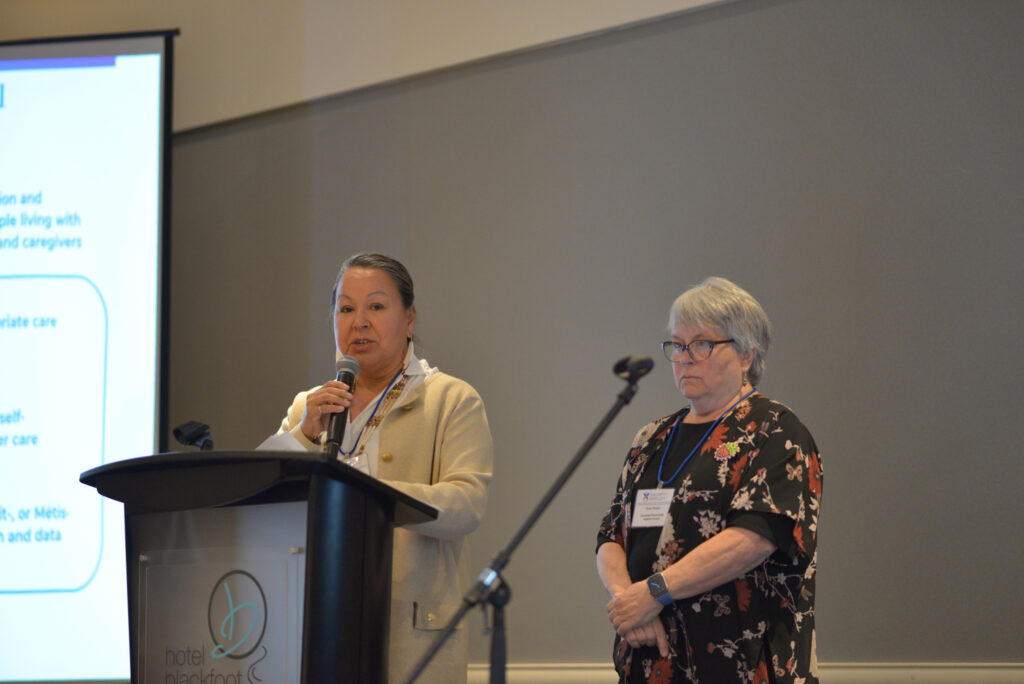
Building on the momentum of that gathering, CPAC has established a steering committee to co-create a new approach to data collection and reporting. This initiative will align with First Nations, Inuit and Métis data governance principles, support distinctions-based reporting, and empower communities to steward and use their data safely and effectively.
These efforts are central to the pan-Canadian Cancer Data Strategy, which positions First Nations, Inuit and Métis data sovereignty as a foundational element of a modernized, equitable health system. By linking nationwide data improvements with community-led governance frameworks, the strategy ensures that the future of cancer care is co-created with respect and trust.
– Natalie Fitzgerald, Director of System Performance and Analytics, CPAC
Through these shared priorities, the path forward is clear: First Nations, Inuit, and Métis establishing self-determined data sovereignty and governance that will drive better cancer care and more equitable health outcomes for First Nations, Inuit, and Métis.
Community of Practice participants share why community knowledge, collaboration and ownership is key to data sovereignty and governance (one-minute video reel).