
Working together
A symbol of connection
This visual was first created in 2014 by the First Nations, Inuit and Métis Advisory Committee, using beads to reflect the spirit of many communities, governments and organizations working together on Peoples-specific cancer care priorities. Each detail was chosen with care to recognize cultural diversity, while acknowledging that no single image can represent all Nations and cultures. The visual stands as a shared expression of respect, inclusion and commitment to ongoing relationship.
The journey so far
Since its inception, the Partnership has worked alongside First Nations, Inuit and Métis partners to support Peoples-specific cancer care priorities. Guided by the National Indigenous Organization Caucus, a body within the Partnership, this collaboration produced the first Action Plan on First Nations, Inuit and Métis Cancer Control and marked the beginning of deeper, ongoing relationships.
Our journey is shaped by relationships built with care, carried forward through shared responsibility. These milestones reflect moments of listening, action and learning alongside First Nations, Inuit and Métis partners, as we work toward lasting change in cancer care.
Cancer care is shaped by social determinants of health, which are the social and economic conditions that affect how people live and access care. Systemic racism, economic hardship and geographic isolation continue to create barriers and intergenerational trauma, especially for those historically underserved.
By addressing these root causes and continuing to work in relationship, we can build a more equitable cancer care system together.
Honouring relationships and shared foundations (2007–2011)
- 2007: The Canadian Partnership Against Cancer is established, with one seat on its Board of Directors reserved for an Indigenous Board Member at-large.
- 2008–2017: The National Indigenous Organizations (NIO) Caucus and Working Group is formed, ensuring First Nations, Inuit and Métis priorities shape the national cancer strategy.
- 2011: The First Nations, Inuit and Métis Action Plan on Cancer Control is launched, co-developed with partners to reflect self-determined needs and visions.
Laying groundwork through learning and early change (2012–2015)
- 2012: Indigenous Cultural Competence and Humility training begins for Partnership staff.
- 2013–2014: Baseline reports on First Nations, Inuit and Métis cancer control are released, exposing systemic inequities and guiding future work.
- 2014–2017: The Continuity of Care funded initiative supports 10 partners in advancing the Action Plan’s priorities.
- 2015: The Truth and Reconciliation Commission (TRC) releases its Calls to Action. The Partnership is called to respond to #22, 23 and 24.
Deepening commitment and evolving together (2016–2019)
- 2016–2017: A mandatory organization-wide cultural competency program is introduced. A formal Commitment to Reconciliation [will link to page once created] is established.
- 2017: Guided by advice from the NIO Caucus, the First Nations, Inuit and Métis Advisory recommends Peoples-specific advisors to guide the work.
- 2017: First Nations, Inuit and Métis partners and cancer agencies are engaged to co-develop the next initiative based on the Action Plan.
- 2018–2022 (extended to 2023): The Strategy Development and Practice Change Implementation Initiative supports 29 partners across all regions and at the national level.
- 2019: The Canadian Strategy for Cancer Control (2019–2029) is released, including Peoples-specific, self-determined priorities and indicators.
Strengthening systems and accountability (2020–present)
- 2020–2023: A new system performance indicator working group is established, led by Peoples-specific Advisors and partners, to shape how progress is measured in alignment with the Canadian Strategy for Cancer Control.
- 2022: The Reconciliation Pathway (2022–2025) is launched, setting goals and actions to operationalize the TRC Calls and deepen our commitment to reconciliation.
- 2023–present:
- The Partnership strengthens learning and accountability across the organization, moving from awareness to action.
- The Partnership created the Pan-Canadian Cancer Data Strategy in collaboration with the Canadian Cancer Society. This strategy sets out a national plan to make cancer data more connected, reliable and useful. It helps improve care and outcomes while respecting First Nations, Inuit and Métis data sovereignty, ensuring communities guide how their own data is used.
- The Implementation of First Nations, Inuit and Métis Self-Determined Priorities for Cancer Prevention and Care initiative begins. More than 30 partners receive funding to implement Peoples-specific cancer plans, culturally safe care and Indigenous-governed research and data systems.
○ The First Nations, Inuit and Métis Advisory structure has grown to include three new Peoples-specific Community Health Advisors, broadening the depth of guidance and reflecting the Partnership’s strengthened commitment to working with First Nations, Inuit and Métis.
Our journey is ongoing. Past initiatives laid the foundation for change, and today’s projects build on those relationships to guide the work ahead. Learn more about what has been done and what comes next.
Current projects
Walking together
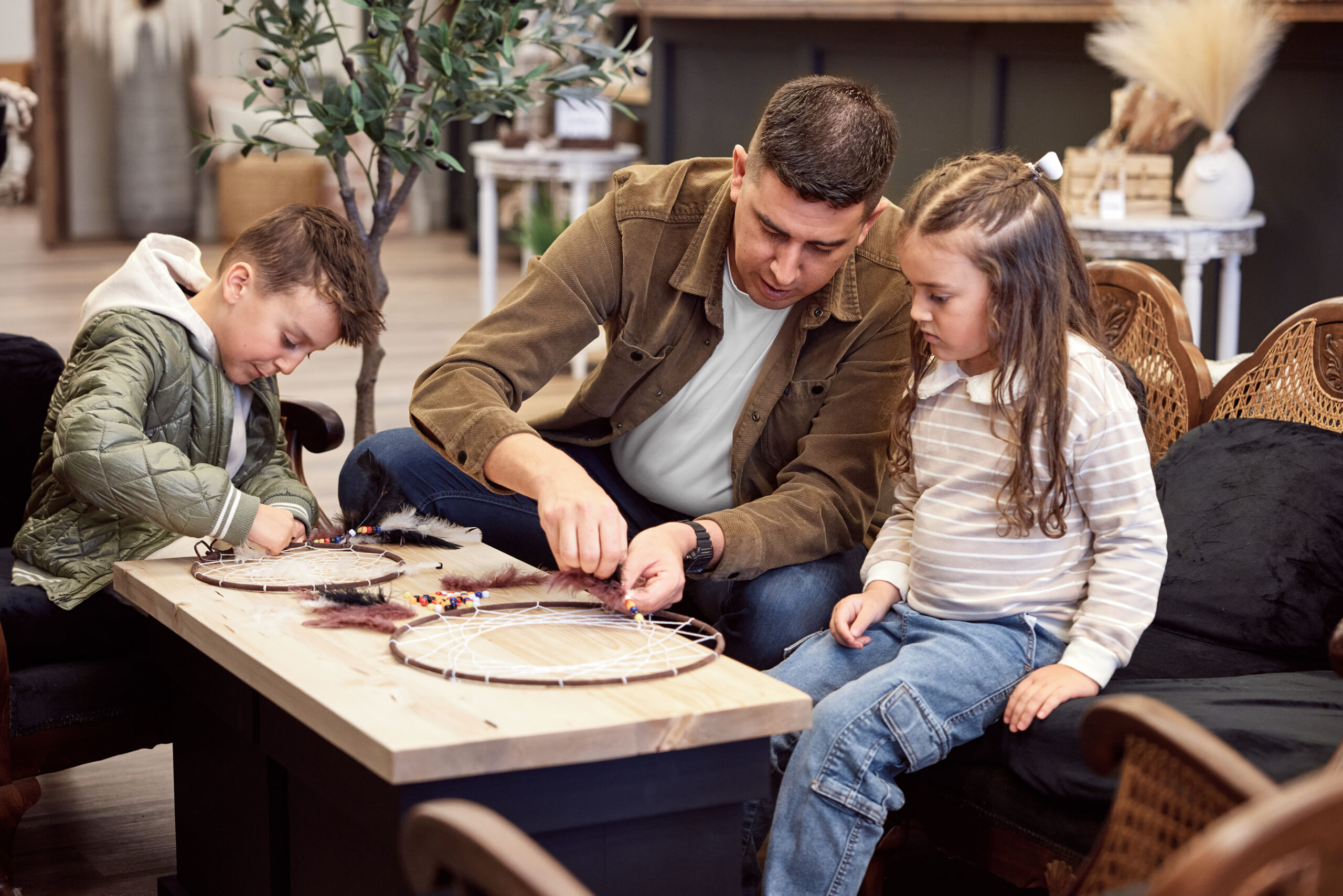
Grounded in long-standing relationships, current efforts advance Peoples-specific cancer strategies, First Nations, Inuit and Métis-led governance, navigation, cultural safety and lasting partnerships. Looking ahead: youth inclusion, more advisory roles, deeper reconciliation and continued community leadership.
See the work underway to advance Peoples‑specific cancer strategies and community‑led change.
Past projects
Building the foundation for change
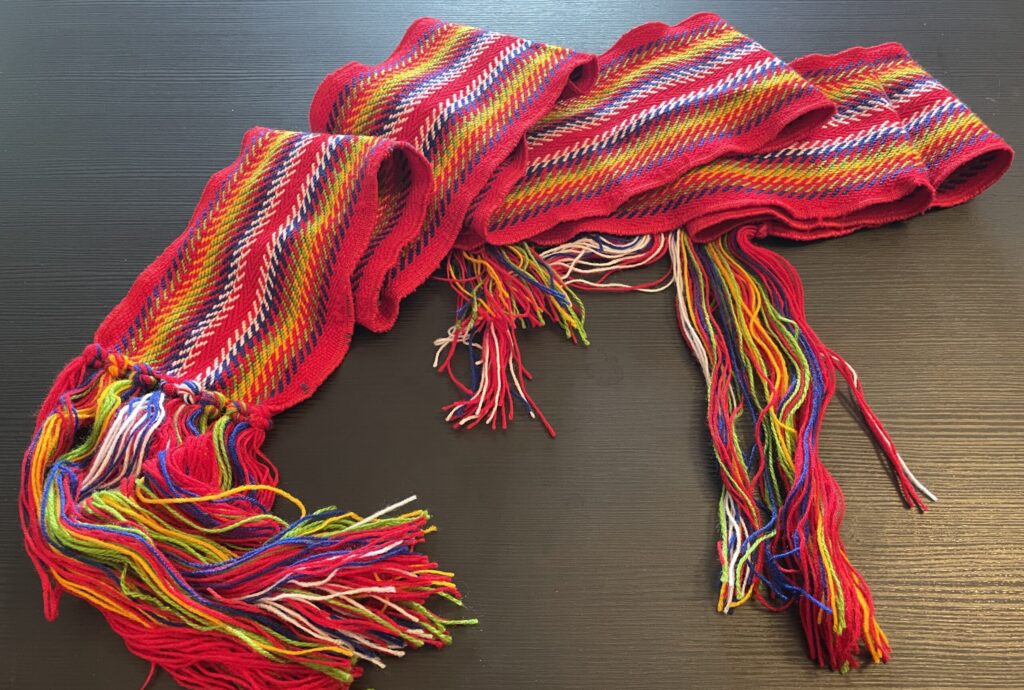
This period saw the first Action Plan on First Nations, Inuit and Métis Cancer Control, early work to close data gaps and new Peoples-specific advisory structures—laying the groundwork for Indigenous-led, community-driven solutions like the Continuity of Care Initiative.
Read more about our foundational work and the Continuity of Care Initiative.