
2025: Reflecting on impact and looking ahead
Voices from across the Partnership share what defined this year and the opportunities that will shape cancer care in 2026 and beyond.
December 12, 2025
From advancing equity in care to strengthening data-driven decision-making, the Partnership’s work with partners is shaping the future of cancer care in Canada.
As we near the end of 2025, we asked board members, partners, advisors and staff what stood out to them in 2025 and what they are excited for in 2026.
Here’s what they had to say.

2025 was a year of collaboration, momentum and progress. We collaborated with partners through 130+ agreements across every province and territory with a strong focus on equity and reconciliation. Key priorities included modernizing data systems, expanding HPV primary screening and lung cancer screening, supporting Indigenous research and reaching underserved communities.
As we move into 2026 and look ahead to our next five-year cycle beginning in 2027, I’m excited to build on what works, scale proven solutions and explore new opportunities to make a lasting impact. By combining spread and innovation, we’ll accelerate progress toward a cancer system that delivers better and more equitable outcomes for everyone in Canada.”
— Dr. Craig Earle, Chief Executive Officer

2025 brought us meaningfully closer to our shared vision: fewer cancers, earlier diagnoses, better survival and care that is safe, equitable and culturally grounded. What stands out most is the shift from short-term pilots to sustainable, system-wide change. We’re seeing scaled programs, long-term investments and solutions that are reshaping care at the population level.
— Dr. Darren Larsen, Board Chair

As we look to 2026, we’re focused on scaling equitable, community-driven models of care. Close to my home in Atlantic Canada, Partnership-supported programs such as home infusion services in rural Newfoundland and Labrador and Indigenous-led navigation in Prince Edward Island and Nova Scotia, are proving what works and setting the stage for broader adoption. Initiatives like free, point-of-care smoking cessation medications in New Brunswick show how evidence-based solutions can drive provincial rollouts. Together, these efforts will strengthen access, reduce disparities and build a cancer system that serves every Canadian.
— Dr. Doreen Neville, board member, Chair, Performance Committee

This year marked a turning point as we put the cancer data strategy into action. AI integration in cancer registries is already improving data quality and freeing up resources for patient-centred work. Combined with progress on harmonizing radiation treatment data, these advances are building a more connected, responsive cancer system and setting the stage for deeper data integration in 2026.
— Natalie Fitzgerald, Director, System Performance and Analytics

Our Partnership-funded project, Mawlugutinej – Working Together – Travaillons Ensemble, has transformed our community from a fear-based culture to one that embraces screening and trusts its health system. By building collaborations with Ministère de la Santé et des Services sociaux du Québec (MSSS) and the Centre intégré de santé et de services sociaux (CISSS) de la Gaspésie, we’ve created safer, community-based screening services and laid the foundation for long-term change. Looking ahead, we’re excited to share what we’ve learned through an implementation kit that can help other Indigenous communities lead their own health solutions.
— Tanya Webster, Mawlugutinej Project Manager, Partnership Project Partner
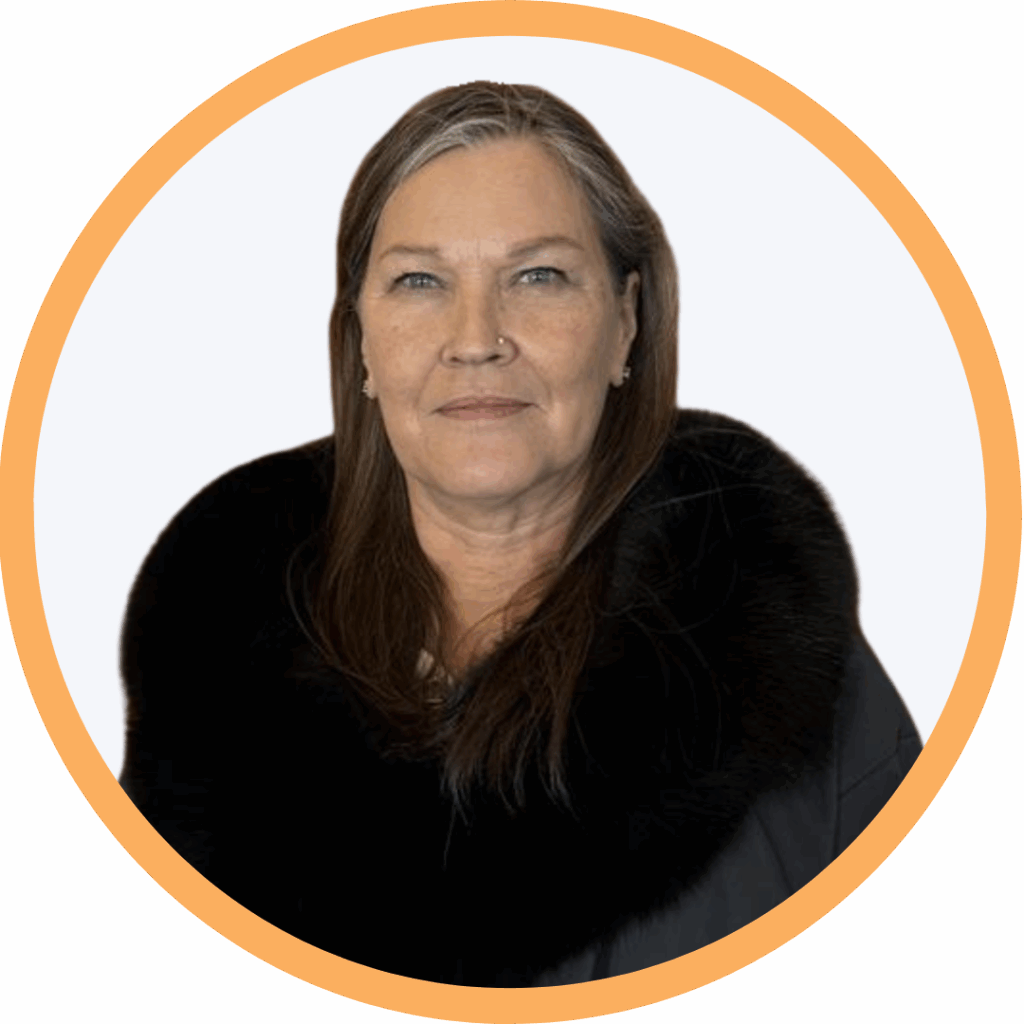
Representation matters — not just in cancer care, but across the health system, including access to care. While there’s still work to do to address systemic racism in health care broadly, the past year with the Partnership has been an incredibly positive experience. I’ve had the opportunity to connect with inspiring people who share a commitment to improving cancer care through Indigenous and Inuit perspectives, which is critical for the health of our communities.
Looking ahead to 2026, I’m excited to see continued progress in inclusivity for Indigenous and Inuit populations and to bring those conversations to a global stage at the 2026 World Indigenous Cancer Conference. These opportunities move us closer to a health system that truly reflects and respects Indigenous voices.
— Judy Inugjuaq Clark, Inuit Community Health Advisor
With the help of partners and people across Canada, we will continue to drive action towards achieving the Strategy’s vision: a future in which fewer people develop cancer, more people survive cancer, people affected by cancer have a better quality of life and all people in Canada have equitable access to quality cancer care.
On behalf of everyone here at the Partnership, we wish you happy holidays and good health for the new year!