
From prevention to self-determination: Advancing cancer care in Nunavut
An interview with Dr. Ekua Agyemang and Dr. André Corriveau on Inuit Qaujimajatuqangit, community leadership and cancer care in Nunavut.
July 9, 2026
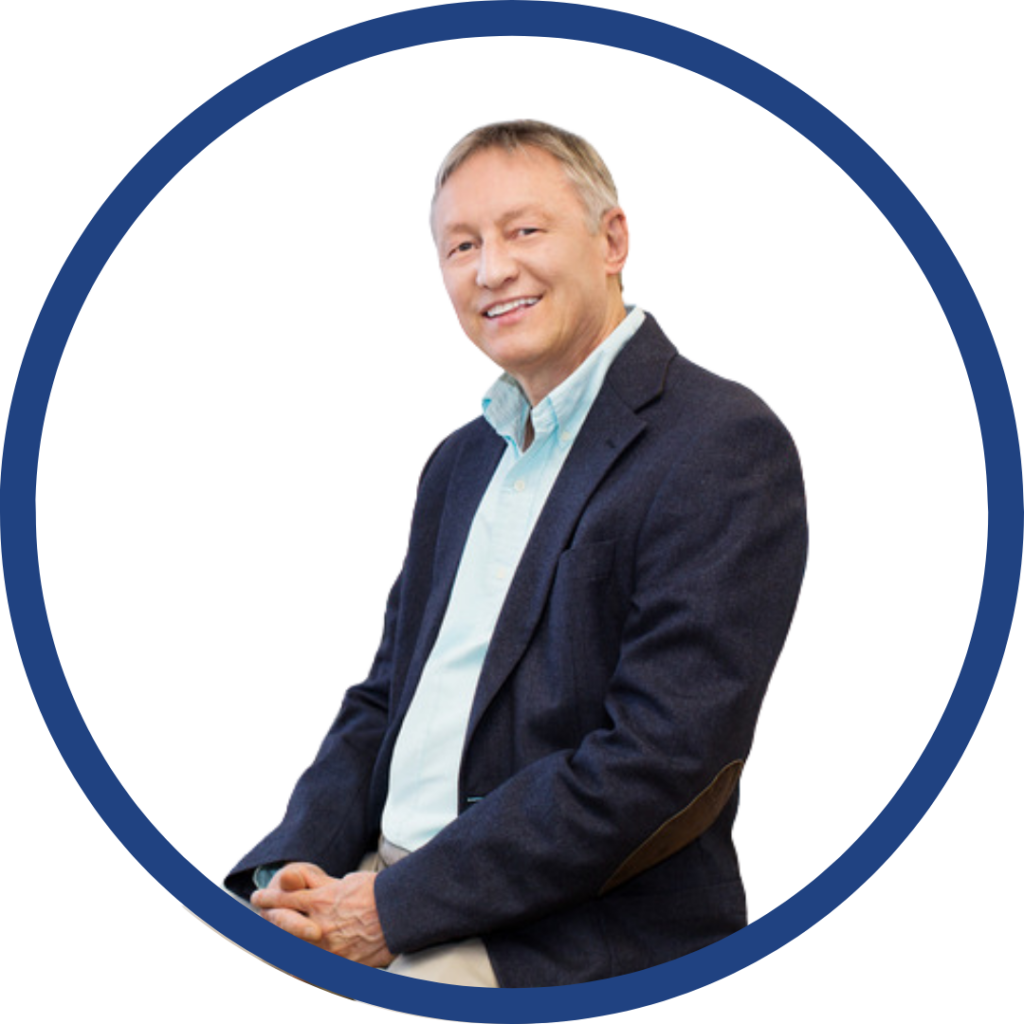
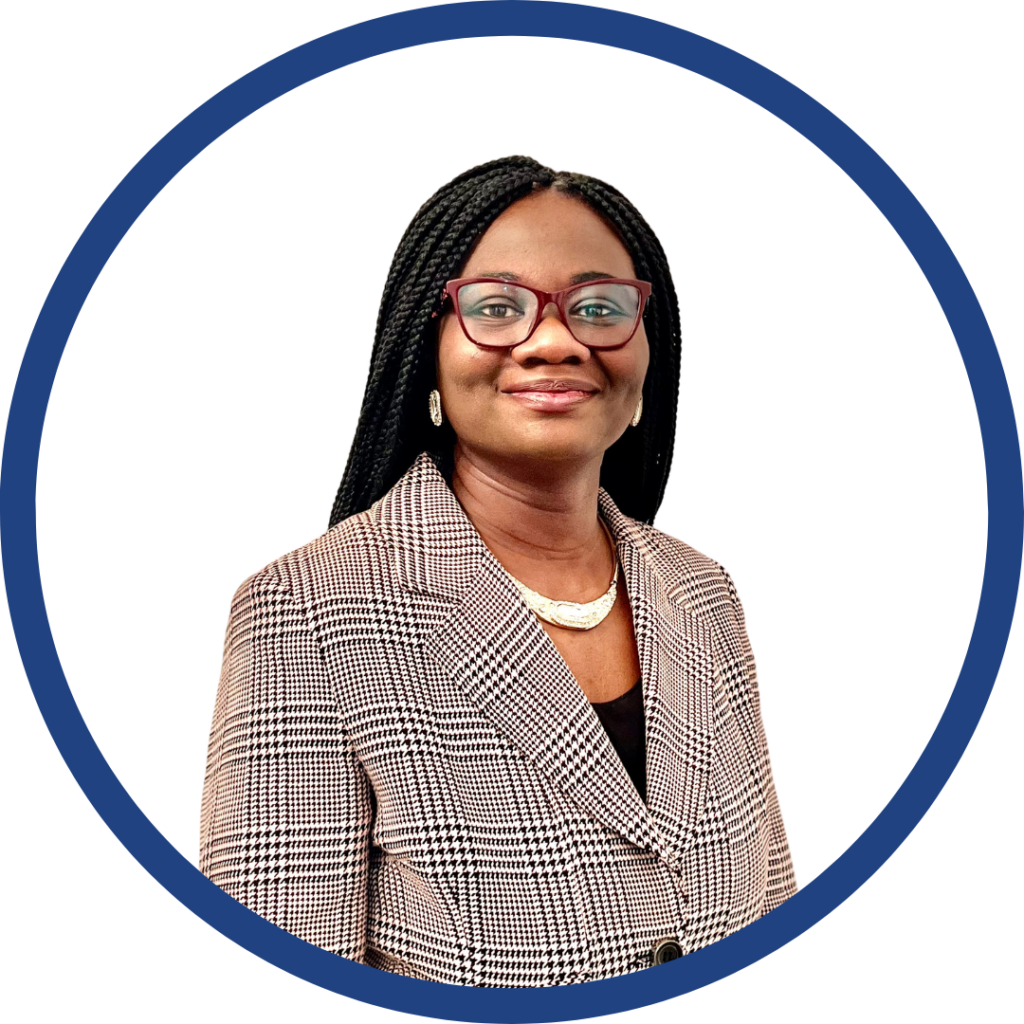
In celebration of Nunavut Day, the Canadian Partnership Against Cancer (CPAC) spoke with Dr. Ekua Agyemang, Chief Public Health Officer for Nunavut, and her colleague Dr. André Corriveau, Acting Deputy Chief Public Health Officer and CPAC board member.
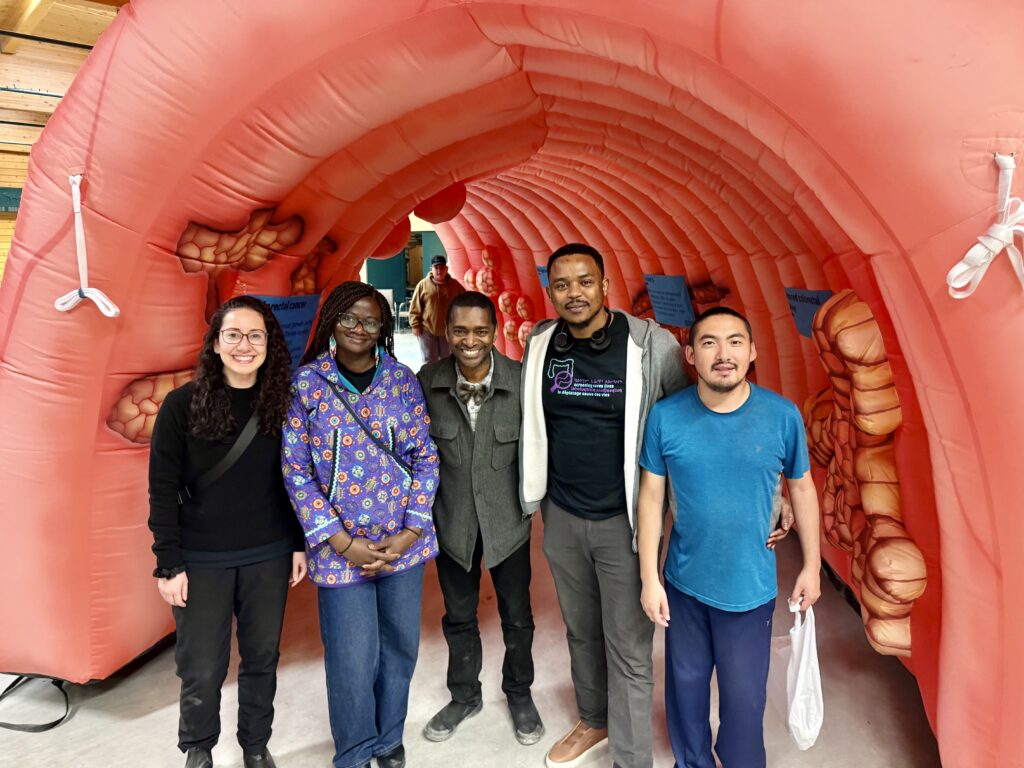
The two of them reflect on their paths to public health in the North, the importance of prevention and culturally safe care, the role of Inuit Qaujimajatuqangit, and how health, community and self-determination are interwoven in Nunavut Day. They also highlight key successes, including the launch of Nunavut’s first territory-wide organized colorectal cancer screening program – developed in partnership with CPAC and setting the foundation for future organized screening programs.
How did your personal and professional journeys lead you to public health in Northern Canada?
Dr. Ekua Agyemang: My journey to public health began while I was working as a general practitioner in Ghana. I have always been driven by health equity and improving population health, and over time I saw the value of upstream approaches – preventing illness before people reach the most complicated stages of disease.
Through my public health and preventive medicine residency, I worked with various First Nations, rural and isolated communities in Alberta which prepared me for work in Nunavut. Although Ghana and Nunavut are different, they share similar challenges through remote and isolated communities. What resonates with me here is the opportunity to work with communities, make decisions together and the support for self-determination.
Dr. Corriveau, prior to Nunavut, you also served as Chief Medical Officer of Health for the Northwest Territories and for Alberta.
Dr. André Corriveau: That is correct. My interest in public health dates back to 1981, during a rotating internship in northern Newfoundland and community visits in Labrador. I met the region’s public health physician and realized upstream, preventive work was where I wanted to focus.
I trained in family medicine and community medicine at Laval University, then primarily worked in Nunavik, the Northwest Territories and Nunavut, including before Nunavut was created in 1999. For me, that was the beginning, but it is still not the end.
Dr. Ekua Agyemang: Given Dr. Corriveau’s extensive history and experience, he has been an important mentor and support for me over the past two years. His experience has been significant in helping with the work we are doing here. To paraphrase Isaac Newton, I have seen further by standing on the shoulders of Dr. Corriveau.
What are the unique cancer care needs of Nunavut and Northern communities?
Dr. Ekua Agyemang: Nunavut covers almost two million square kilometres and has 25 communities, all of which are fly-in communities. That geography presents both challenges and opportunities. Being remote and isolated affects infrastructure, logistics and access to care. In the Arctic, the ocean is frozen for more than half the year, which limits the window for bringing in supplies by sea. Aircraft come in, but weather delays are common.
Those realities translate directly into health care access – access to healthcare personnel, access to consistent services and access to quality care when people need it.
Lung cancer is the leading cause of cancer death in Nunavut, followed by colorectal cancer. Early diagnosis and treatment closer to home are very important because people often have to leave their families and travel out of territory for chemotherapy, surgeries and follow-up care.
Dr. André Corriveau: The entire cancer journey is more complex in the North, and especially in Nunavut, than it is in many other parts of Canada. The communities are spread out across the top of the country, and the links are often north-south. Nunavut interfaces with several health systems: Ontario (Ottawa) in the east, Manitoba (Winnipeg) in the central region, and the Northwest Territories (Yellowknife) and Alberta (Edmonton) in the west.
That context complicates pathways from screening and testing to treatment and follow-up. Systems work differently, and information does not always flow smoothly.
Support from CPAC has helped Nunavut make progress on screening and on treatments that can increasingly be offered or continued in the North, such as some forms of chemotherapy.
– Dr. André Corriveau, Acting Deputy Chief Public Health Officer for Nunavut
Why must public health and cancer care incorporate Inuit Qaujimajatuqangit, or IQ Principles?
Dr. Ekua Agyemang: IQ principles provide a framework for understanding health that is rooted in relationships, community, family, respect for one another and shared responsibility. Inuit knowledge, wisdom and ways of knowing should guide health care so that Inuit voices are central to planning, design, implementation and evaluation.
When that happens, services are more sustainable. They are community-centred, community-designed and community-led. They are culturally safe and appropriate.
Are there aspects of IQ Principles that resonate with your experiences in Ghana and in other communities?
Dr. Ekua Agyemang: Yes. Inuit culture is a high-context culture, similar to the Ghanaian contexts where I learned and worked. Communication can be more implied, decisions are often made by consensus, and respect, relationship-building and collective decision-making are central.
Working together for the common good is also central to public health. When we visit communities, we listen across generations – to leaders, Elders, children and youth. Most importantly, it is about building trust. Trust is the currency for change. If we want to change anything, we need to build trust.
– Dr. Ekua Agyemang, Chief Public Health Officer for Nunavut
Can you share examples of successful health and cancer care projects in the North?
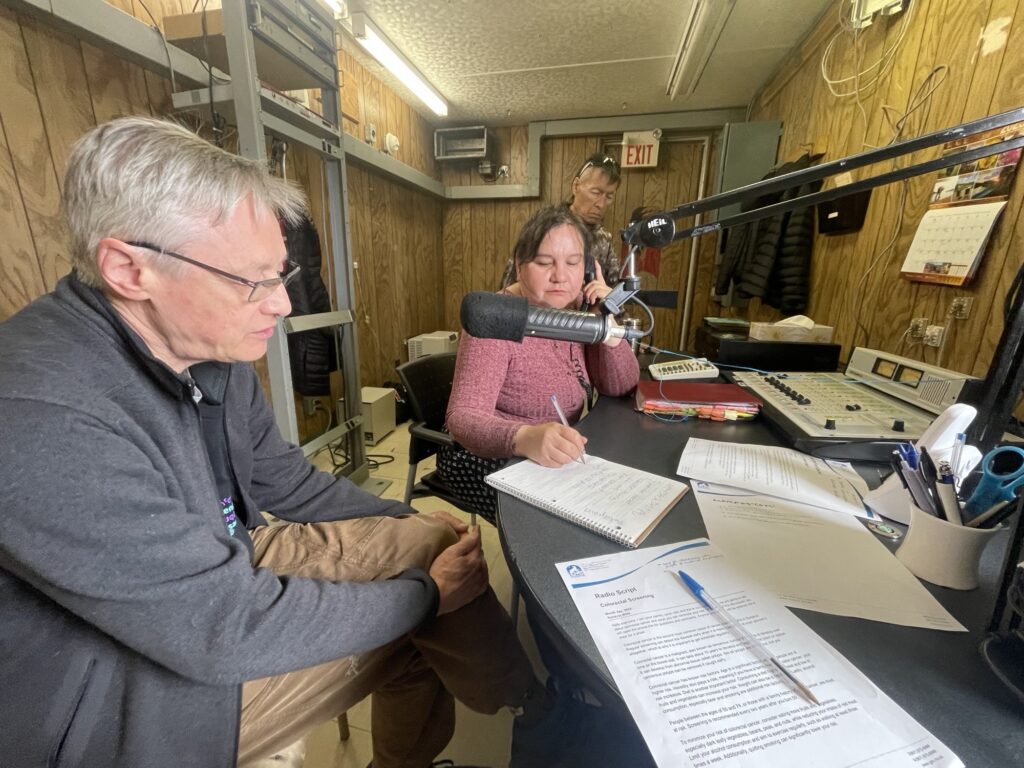
Dr. Ekua Agyemang: There are many examples of innovation and progress in Nunavut. One major example is the colorectal cancer screening expansion. In May 2025, Nunavut launched its first colorectal cancer screening program in Rankin Inlet. Within a year, it had expanded to 22 of 25 communities and was very well received.
Work is also underway to transition from Pap testing to HPV testing, with a hoped-for launch in the fall. For colorectal cancer screening, we began at age 50 and are now working to lower the screening age to 45. We are also focused on community-based public health approaches, bringing prevention and health promotion closer to communities through local engagement, partnerships and culturally relevant health education.
I must acknowledge here the partnership of CPAC and your help and support with the launching of the colorectal screening program and its expansion.
Support has also been essential from Nunavut Tunngavik Incorporated, healthcare providers, territorial partners and national organizations.
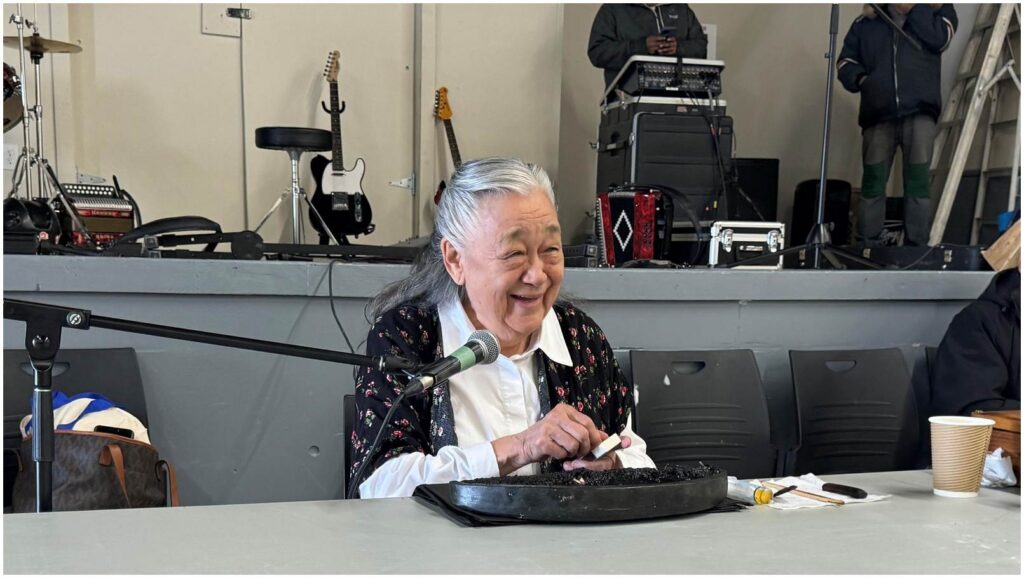
Dr. André Corriveau: On the clinical side, there has also been progress in providing care closer to home. With support from systems such as Ottawa, certain types of chemotherapy can be continued in the North. We are also looking at portable colposcopy as a follow-up to HPV testing, so specialists can travel and perform some procedures in communities rather than requiring people to travel out for everything.
As technologies evolve and partnerships with southern jurisdictions strengthen, more care can be made available closer to home.
How does health and wellness connect to Nunavut Day (July 9)?
Dr. Ekua Agyemang: Nunavut Day is about Inuit leadership, vision and self-determination. It is more than a territorial celebration. It recognizes the leadership that led to the Nunavut Land Claims Agreement and the creation of Nunavut. That achievement speaks to Inuit resilience and what Indigenous peoples can do by and for themselves.
Nunavut Day recognizes Inuit rights and stewardship of the land, and it is deeply connected to health. Strong, healthy communities are essential for preserving language, culture, traditional knowledge and Inuit ways of knowing. Health enables people to participate fully in family life, education, employment, leadership and community development.
– Dr. Ekua Agyemang, Chief Public Health Officer for Nunavut
As public health leaders in Nunavut, our role is to support Inuit in achieving the best possible health outcomes and to support self-determination. Cancer screening and prevention are ultimately about the people and families we serve.
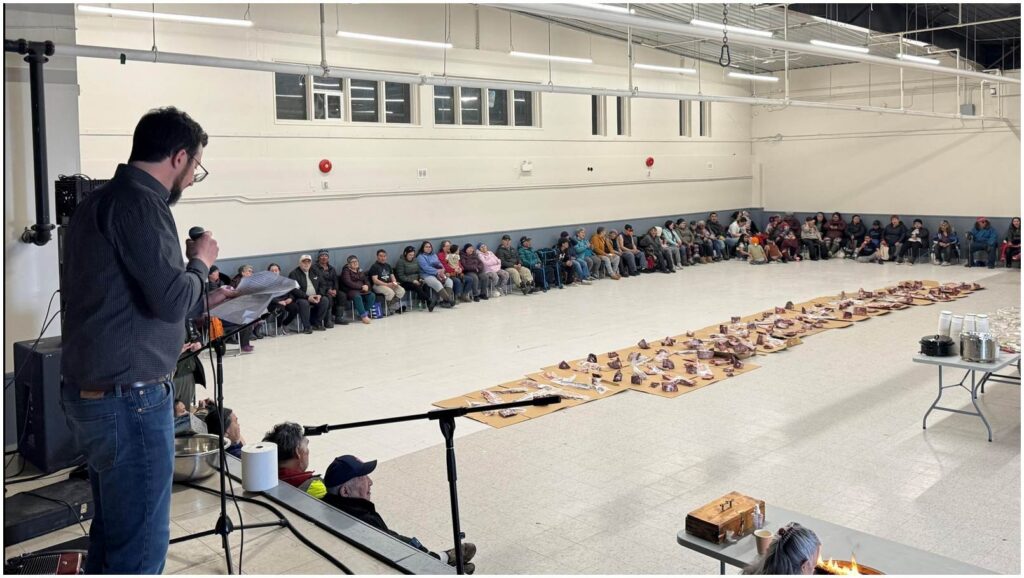
CPAC thanks leaders like Dr. Agyemang, Dr. Corriveau and many others who are committed to advancing reconciliation through action. We are honoured to support Inuit-led priorities and community-driven solutions to improve health outcomes across Nunavut, such as helping bring culturally appropriate care closer to home.